Here's why audience-first thinking backfires in real spaces. ‌ ‌ ‌ ‌ ‌ ‌ ‌ ‌ ‌ ‌ ‌ ‌ ‌ ‌ ‌ ‌ ‌ ‌ ‌ ‌ ‌ ‌ ‌ ‌ ‌ ‌ ‌ ‌ ‌ ‌ ‌ ‌ ‌ ‌ ‌ ‌ ‌ ‌ ‌ ‌ ‌ ‌ ‌ ‌ ‌ ‌ ‌ ‌ ‌ ‌ ‌ ‌ ‌ ‌ ‌ ‌ ‌ ‌ ‌ ‌ ‌ ‌ ‌ ‌ ‌ ‌ ‌ ‌ ‌ ‌ ‌ ‌ ‌ ‌ ‌ ‌ ‌ ‌ ‌ ‌ ‌ ‌ ‌ ‌ ‌ ‌ ‌ ‌ ‌ ‌ ‌ ‌ ‌ ‌ ‌ ‌ ‌ ‌ ‌ ‌ ‌ ‌ ‌ ‌ ‌ ‌ ‌ ‌ ‌ ‌ ‌ ‌ ‌ ‌ ‌ ‌ ‌ ‌ ‌ ‌ ‌ ‌ ‌ ‌ ‌ ‌ ‌ ‌ ‌ ‌ ‌ ‌ ‌ ‌ ‌ ‌ ‌ ‌ ‌ ‌ ‌ ‌ ‌ ‌ ‌ ‌ ‌ ‌ ‌ ‌ ‌ ‌ ‌ ‌ ‌ ‌ ‌ ‌ ‌ ‌ ‌ ‌ ‌ ‌ ‌ ‌ ‌ ‌ ‌ ‌ ‌ ‌ ‌ ‌ ‌ ‌ ‌ ‌ ‌ ‌ ‌ ‌ ‌ ‌ ‌ ‌ ‌ ‌ ‌ ‌ ‌ ‌ ‌ ‌ ‌ ‌ ‌ ‌ ‌ ‌ ‌ ‌ ‌ ‌ ‌ ‌ ‌ ‌ ‌ ‌ ‌ ‌ ‌ ‌ ‌ ‌ ‌ ‌ ‌ ‌ ‌ ‌ ‌ ‌ ‌ ‌ ‌ ‌ ‌ ‌ ‌ ‌ ‌ ‌ ‌ ‌ ‌ ‌ ‌ ‌ ‌ ‌ ‌ ‌ ‌ ‌ ‌ ‌ ‌ ‌ ‌ ‌ ‌ ‌ ‌ ‌ ‌ ‌ ‌ ‌ ‌ ‌ ‌ ‌ ‌ ‌ ‌ ‌ ‌ ‌ ‌ ‌ ‌ ‌ ‌ ‌ ‌ ‌ ‌ ‌ ‌ ‌ ‌ ‌ ‌ ‌ ‌ ‌ ‌ ‌ ‌ ‌ ‌ ‌ ‌ ‌ ‌ ‌ ‌ ‌ ‌ ‌ ‌ ‌ ‌ ‌ ‌ ‌ ‌ ‌ ‌ ‌
View in Web Browser
Community Marketing Revolution

Hi della,


Is social media killing the club scene?


If you’ve ever tried to turn an audience into a real community, this will feel familiar.


Earlier this week, Elias Light reported in the Wall Street Journal that more young people are holding back on dance floors—not because they don’t like dancing, but because they’re worried about ending up in someone else’s video.


That detail matters.


It highlights a mistake that shows up whenever audience logic gets applied to community spaces.


The Mistaken Assumption


Audience-first media trained many of us to believe that visibility is always good.


More photos.

More clips.

More sharing.


From that perspective, a dance club should encourage filming.

Funny or awkward moments travel farther.

Viral moments create attention.


That logic makes sense if the goal is reach.

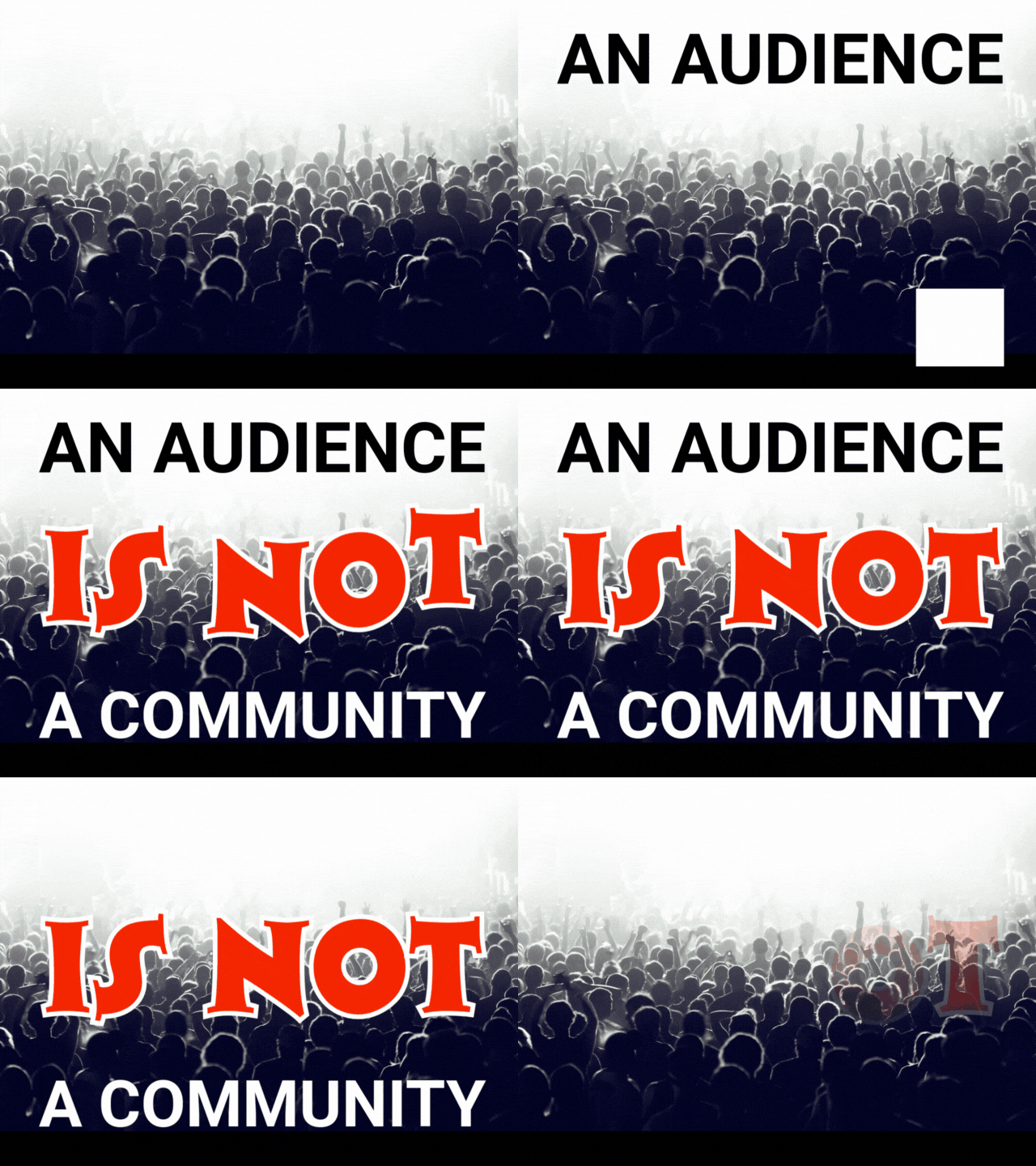
An Audience Is Not a Community


The Hidden Cost of Sharing Videos on Social Media


But it changes how people behave inside the space.


When dancers feel like they might become content, they self-edit.


They dance less freely.

They take fewer risks.

They engage less with each other.


Over time, some stop coming.


You see the same thing in creator-led communities.


People hesitate to speak up on Zoom because calls are recorded.

They post less honestly because screenshots might get shared.

They lurk instead of participating because everything feels performative.


The space may look active from the outside.

But the relationships inside it don’t deepen.


This isn’t about physical safety.

It’s about psychological safety.


People don’t connect when they feel exposed.


Creating a Safe Space for Community Members


Communities aren’t built for moments that spread well online.


They’re built for return behavior.


Do people come back?

Do they participate more over time?

Do they feel safe enough to be imperfect?


That often requires limiting visibility, not maximizing it.


Which is why audience tactics frequently backfire when the real goal is community.

Community Builders Book Club

How I’m Applying This In The Community Builders Book Club


As I launch the Community Builders Book Club next month, I’m making a deliberate choice.


The discussions won’t be recorded.

They won’t be clipped.

They won’t be reused as content.


If you want to participate, you have to show up live.


That’s not about exclusivity.

It’s about removing the pressure to perform.


People speak more honestly when they know they won’t be broadcast.

Honest conversations are what make people return.


If you’re tired of shallow engagement and quiet rooms, this may be useful to you.


Here are the details:

Join the Book Club
Seth Resler

Cheers!


Seth Resler
Founder
Community Marketing Revolution

Seth Resler

Cheers!


Seth Resler
Founder
Community Marketing Revolution

FOLLOW:

Instagram YouTube LinkedIn

Getting too many emails from me? No problem—you can stop the daily tips and still get important announcements by changing your subscription here.

Unsubscribe | Sent by Community Marketing Revolution
12730 Dartmouth Street • Oak Park, MI • 48237